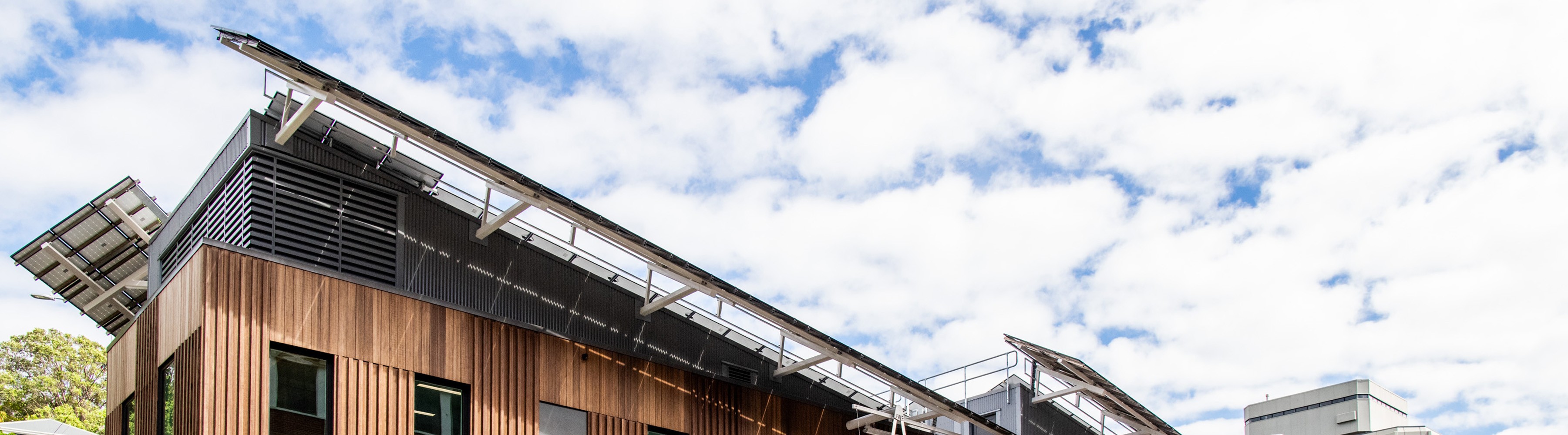
The Living Pā is a key feature of the Marae development at Victoria University of Wellington, spanning across 3000m². This building aims to be the most sustainable in the southern hemisphere as part of the Living Building Challenge, joining just 33 other certified buildings worldwide. Designed by Tennent Brown Architects and constructed by LT McGuinness, this project joins other university developments where Ventuer products were specified to support ventilation across complex educational spaces.
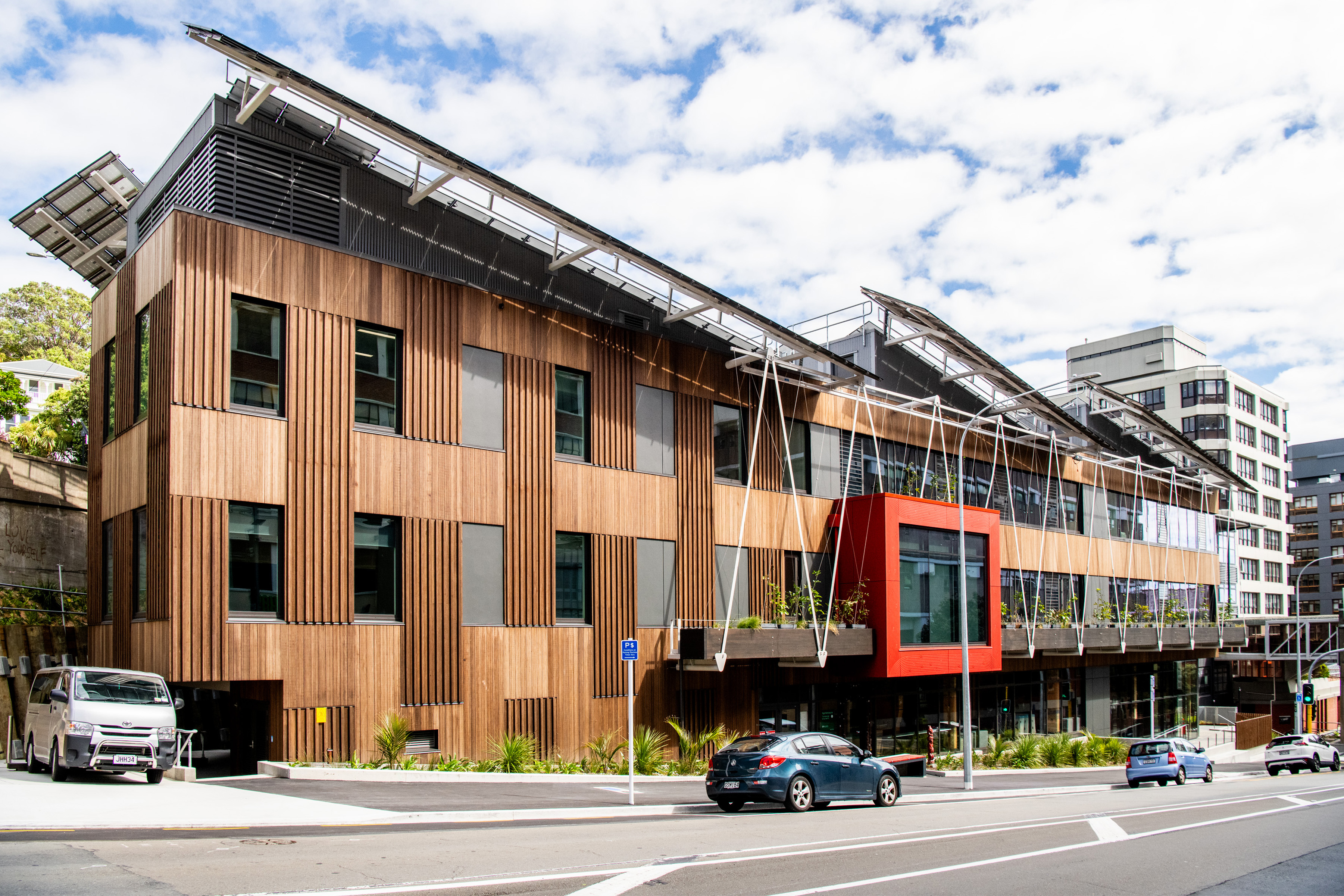
The Living Pā is a global benchmark for sustainability, replacing five villas on Kelburn Parade that once sat in front of the original university grounds. The redevelopment now facilitates marae-based events, teaching spaces, accommodation, and faculty office space, while embedding Māori values and environmental performance into every aspect of the design.
To achieve Living Building Challenge certification, the Living Pā must generate all its own energy, operate with independent water systems, remain carbon-neutral and use non-toxic materials. This makes it one of the most technically ambitious and environmentally advanced buildings in New Zealand.
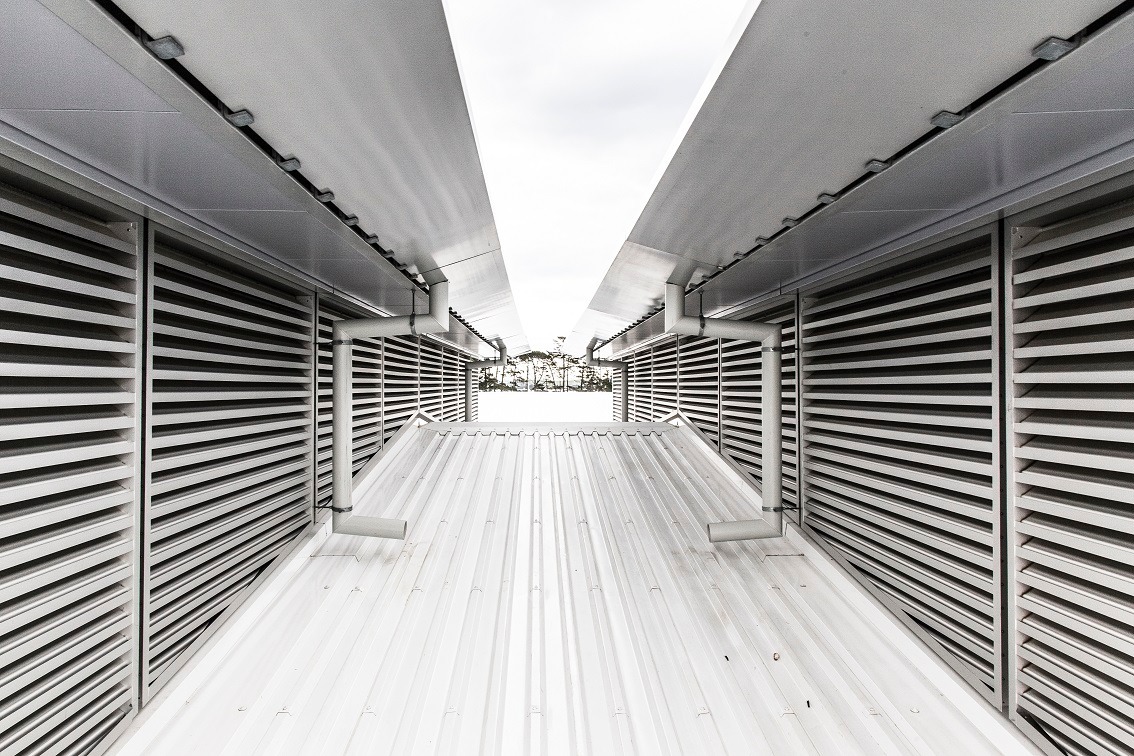
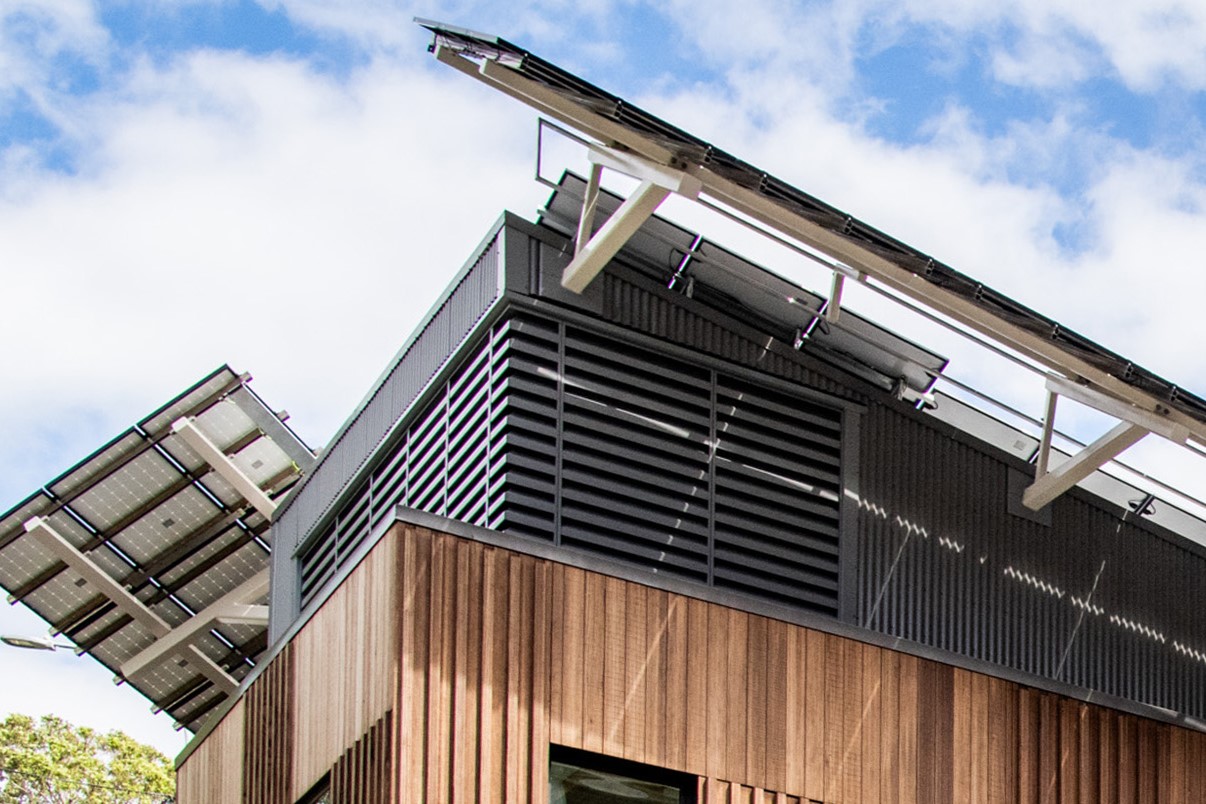
To support this level of performance, the building relies heavily on passive design and natural ventilation to allow the structure to “breathe” with the environment. This is why the VL-3SD ultimate weather protection louvre, along with the AL-300W acoustic weather louvre, were selected as part of the ventilation system.
Installed throughout the project, the VL-3SD louvre system provides high levels of rain defence while maintaining airflow performance suited to Wellington’s exposed and wind-driven weather conditions. Designed for projects where weather protection is critical, the VL-3SD uses a multi-stage drainage and separation system to capture and eject water before it can penetrate the ventilation opening. This ensures plant and internal spaces remain protected without compromising airflow requirements.
Complementing this system, the AL-300W acoustic weather louvre was used in areas requiring both ventilation and sound attenuation. This reduces mechanical and environmental noise while still maintaining weather protection performance, supporting comfort across teaching, accommodation, and communal spaces.
A defining feature of the Living Pā is its extensive use of natural and low-carbon materials, including engineered timber construction and carefully selected sustainable finishes. Every component within the building had to meet strict material transparency requirements under the Living Building Challenge, placing additional importance on durable, long-life ventilation systems capable of integrating into the wider architectural design.
The Living Pā demonstrates how high-performance ventilation systems contribute to the success of environmentally advanced buildings. By combining passive airflow strategies, weather defence, and acoustic control, the project achieves a balance between sustainability, occupant comfort, and long-term operational performance. As one of New Zealand’s most significant sustainable developments, the Living Pā highlights the role ventilation plays in helping buildings perform as intended in real-world conditions.
End User: Victoria University of Wellington
Architect: Tennent Brown Architects
Main Contractor: LT McGuinness
Products Supplied: VL-3SD Ultimate Weather Protection Louvres
AL-300W 300mm Acoustic Weather Louvre