Green aluminium is aluminium produced with a significantly lower carbon footprint than traditional methods. Green aluminium typically produces 2-4 tonnes of carbon per tonne of aluminium, compared to black aluminium producing 12-14 tonnes.

Green aluminium is aluminium produced with a significantly lower carbon footprint compared to conventional aluminium. The term “green” does not refer to the metal itself because aluminium is always the same element, but to the production process used.
Green aluminium is manufactured using renewable energy sources and/or a high proportion of recycled content, resulting in a substantially lower carbon footprint than standard production methods. Typically, green aluminium produces 2–4 tonnes of carbon per tonne of aluminium, compared with 12–17 tonnes for aluminium produced using electricity from coal or natural gas-fired power stations, often called “black aluminium.”
Aluminium can be recycled almost indefinitely. When reused, the recycling process generates only 0.3–0.5 tonnes of carbon per tonne of aluminium. This represents the lowest embodied carbon option for aluminium production.
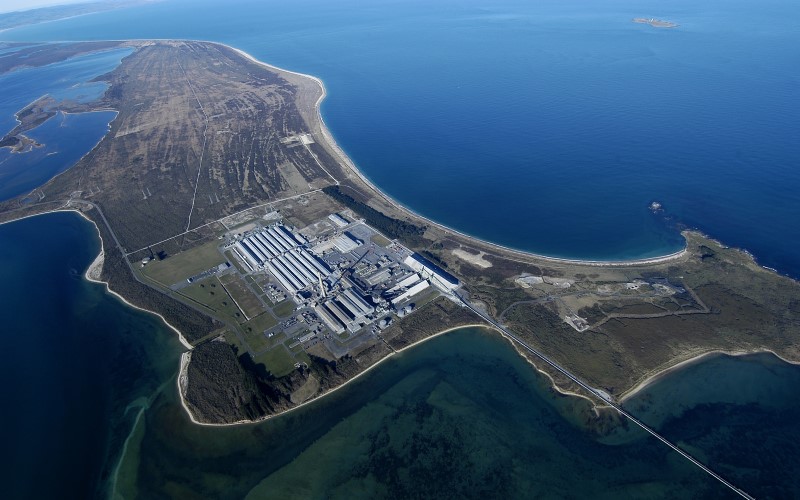
At Ventüer, 95% of the aluminium used comes from the Tiwai Smelter in Invercargill, New Zealand, which is powered entirely by the 100% renewable hydroelectric Manapouri Power Station.
Built by the New Zealand government between 1964 and 1972 to supply electricity to the smelter, the Manapouri Power Station continues to support the sustainability of New Zealand’s aluminium manufacturing sector. It enables the production of some of the lowest embodied carbon aluminium in the world. Tiwai Smelter emits only 2 tonnes of carbon per tonne of aluminium produced, compared with the international average of 13 tonnes.
The smelter is one of only two in the world producing ultra-high purity aluminium, and the only one producing this grade using hydroelectricity generated from renewable sources.