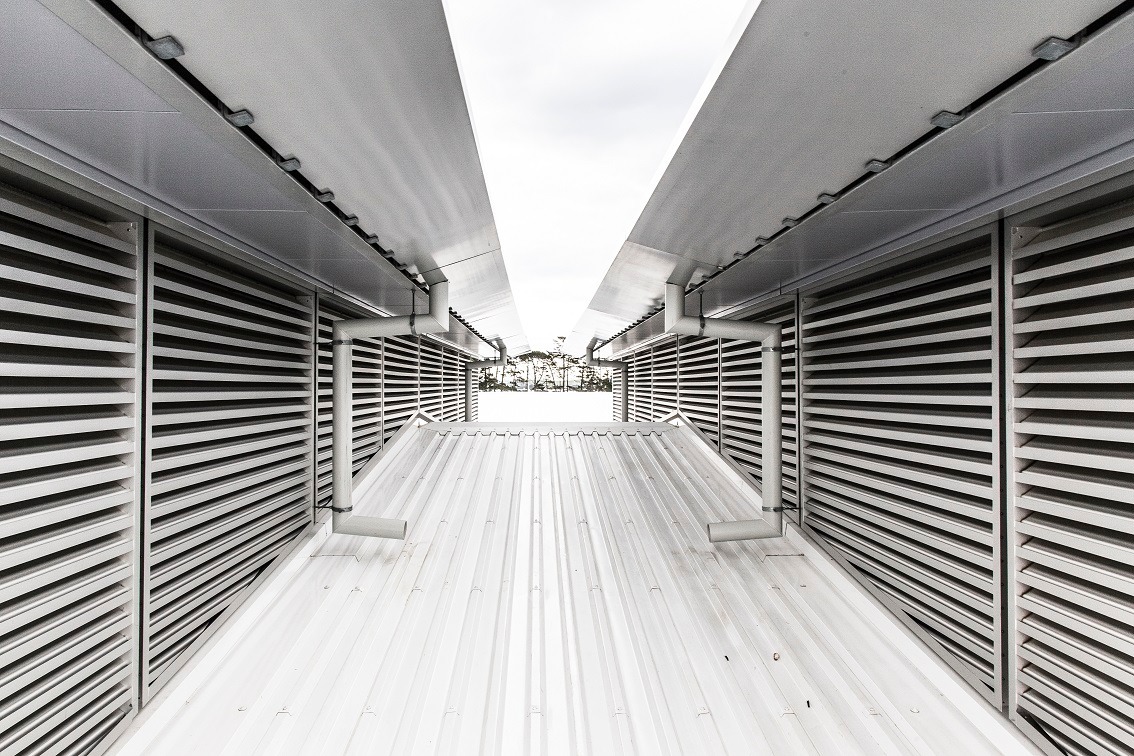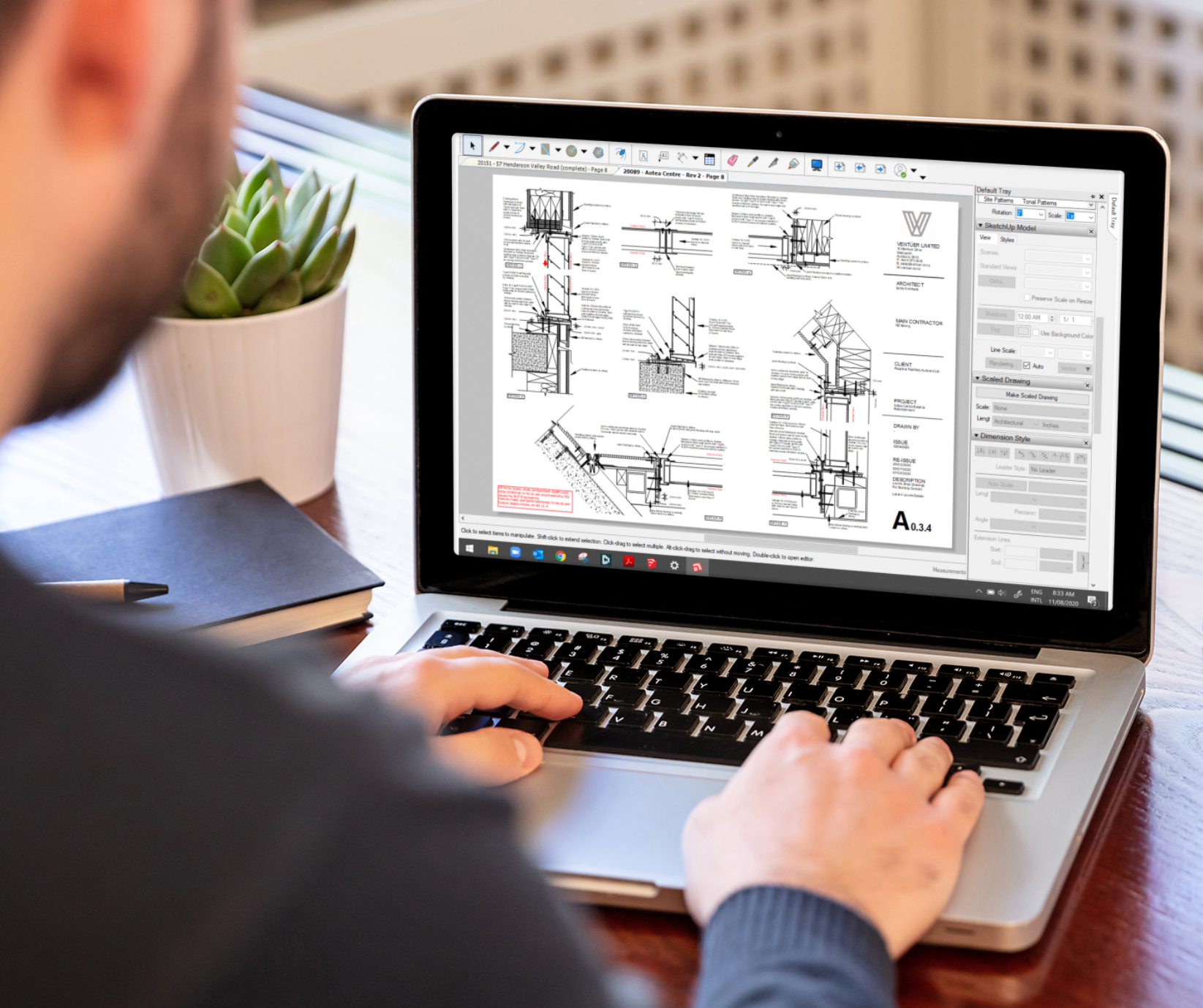
Yes - Ventüer offer shop drawings that consider water management, façade integration, seismic movement and more.
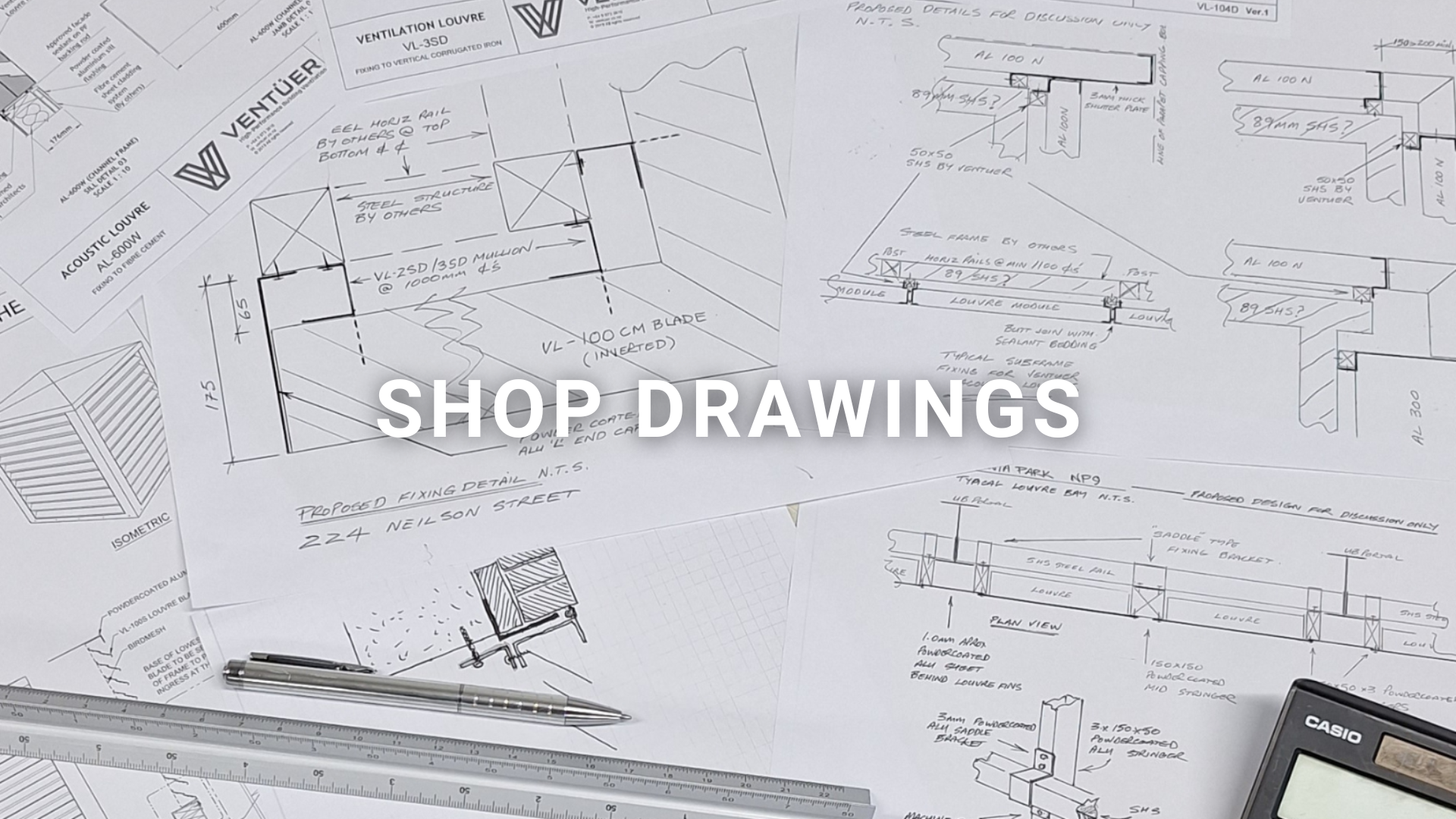
Integrating ventilation louvres into a building façade involves much more than simply selecting a product. Weather-tightness, structural performance, compliance requirements, and coordination with surrounding building elements all need to be considered to ensure a successful outcome.
Ventuer's design and drafting services help architects, designers, and contractors navigate these challenges by providing detailed shop drawings and technical expertise throughout the design process. By addressing potential issues early, projects can move forward with greater confidence, reduced risk, and fewer costly design changes later.
Achieving effective weather protection is one of the most critical aspects of louvre design. Our shop drawings are developed with a strong focus on water management and airtight construction, ensuring louvres integrate seamlessly into the building envelope.
By carefully considering how water is controlled and discharged, we help prevent weather-tightness issues that can lead to remediation costs, delays, and design revisions during construction.
Ventuer takes full responsibility for the structural design of our products. Every project is assessed for site-specific wind and loading requirements, with supporting structures and fixing details incorporated into the shop drawings.
Where required, designs are supported by Producer Statements (PS1s) issued by certified engineers, giving project teams confidence that compliance requirements have been met and documented.
Louvres rarely exist in isolation. They must work alongside cladding systems, façade components, mechanical ductwork, and structural elements.
Our design team coordinates these interfaces during the design phase, identifying and resolving potential conflicts before construction begins. This proactive approach helps minimise site issues, reduces delays, and contributes to a cleaner, more professional final result.
Modern building design requires careful consideration of both seismic movement and fire safety requirements. Louvre systems must be designed so they do not restrict building movement during seismic events or compromise fire protection strategies.
These considerations have become increasingly important following lessons learned from events such as the Christchurch earthquakes and the Grenfell Tower disaster. By incorporating these requirements into our designs from the outset, we help improve both compliance and occupant safety.
One of the greatest benefits of involving Ventuer early in a project is access to practical experience gained across a wide range of building types and applications.
Early design decisions often have significant impacts on project costs, constructability, and performance. Having an experienced design team involved from the beginning allows potential challenges to be identified and addressed before they become expensive design changes later in the project.
Ventuer's design and drafting services provide more than just shop drawings. They provide project teams with confidence that weather-tightness, structural performance, compliance, and integration have been carefully considered and resolved.
By combining technical expertise with practical project experience, we help architects and designers deliver efficient, compliant, and high-performing building solutions.