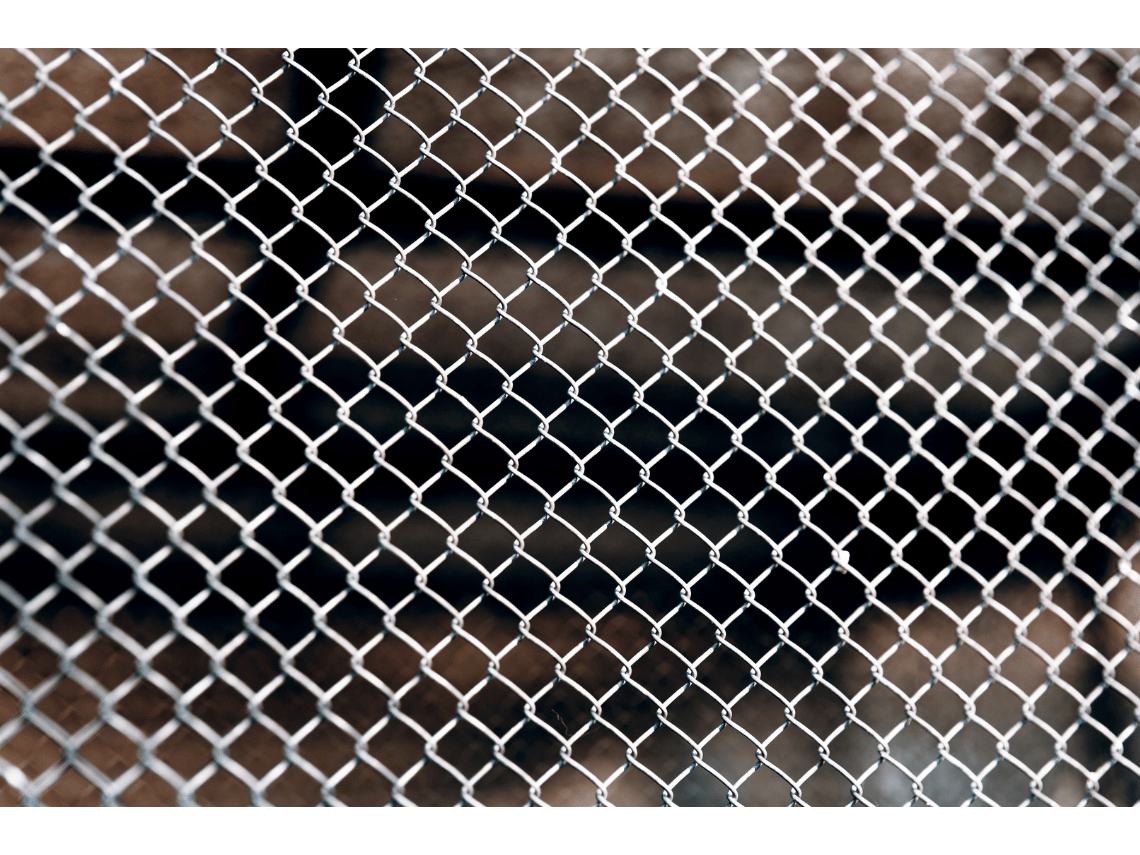
The size of the aperture of the openings in the mesh are very different. Bird or Vermin Mesh is made in aluminium, while Insect Mesh is made in stainless steel.
Between the two types of mesh, there is a difference in the associated pressure loss across a louvre assembly.
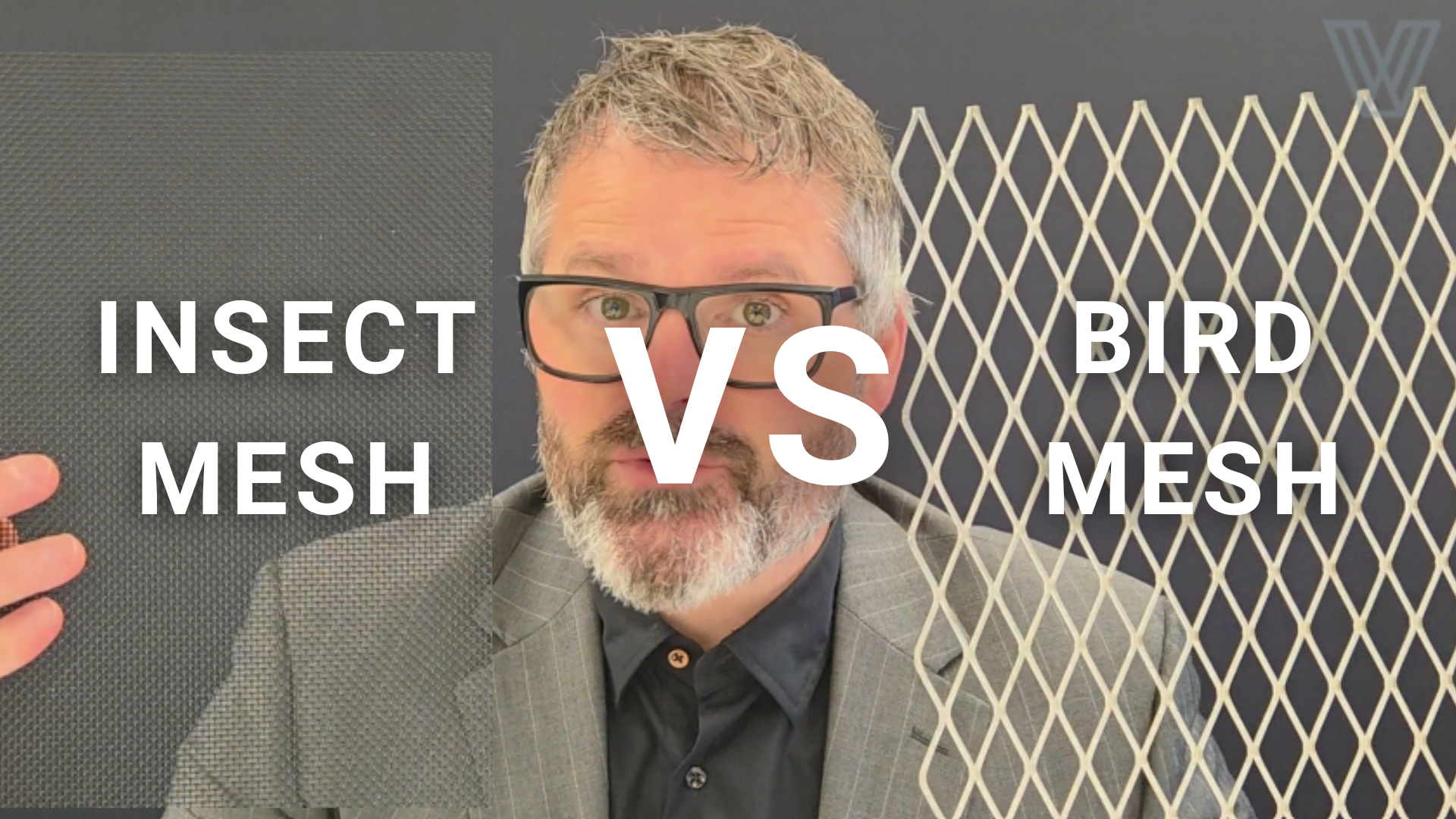
Bird mesh and insect mesh can both be installed behind ventilation louvres to prevent unwanted guests from entering a building. The big difference is the size of the openings, or apertures, in the mesh.
Bird mesh (a.k.a. Vermin mesh), has larger openings designed to prevent birds, rodents and other larger pests from entering through the louvres. Ventuer's Bird Mesh is manufactured from expanded and flattened aluminium with diamond shaped openings. Its relatively open construction provides a free area of approximately 77%.
Insect mesh has much smaller openings to prevent insects and other small pests from passing through. Ventuer's Insect Mesh is manufactured from rigid woven stainless steel. Resulting in a lower free area of approximately 55%.
The smaller openings in insect mesh create additional airflow resistance compared to bird mesh. However, the difference can be small in practical applications. Comparing the two mesh types across three louvre examples showed a difference of approximately 1 Pascal in pressure drop.
Maintenance should also be a consideration when selecting mesh. Insect mesh can collect insects and debris over time and may require more frequent cleaning depending on the amount of unwanted guests trying to enter.
Ventuer Insect Mesh can also be used as a Bushfire Zone Ember Mesh. It meets the ember screening requirements of AS 3959:2018, while maintaining airflow through the louvre assembly.
The choice of mesh ultimately depends on what needs to be excluded from the building, along with project's airflow, maintenance and compliance requirements.